
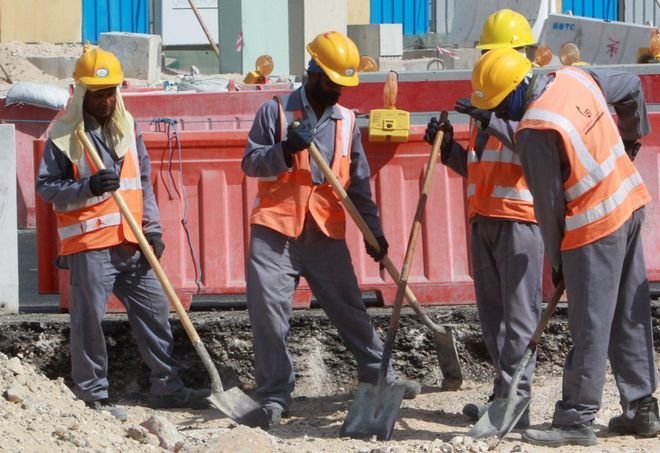
In the 1980s and 1990s, Lagos was notorious for poor waste management, regular flooding, and frequent outbreaks of cholera and malaria. In response, the Lagos State Government introduced the monthly environmental sanitation exercise. This was a mandatory, community-wide cleanup on the last Saturday of every month. For decades, this program instilled civic responsibility and provided a structured approach to keeping the city clean. But since its suspension in 2016, Lagos has struggled to maintain sanitation standards, and mounting evidence shows that the absence of a regular cleanup framework is worsening public health risks.
Lagos, a megacity of over 20 million people, generates an estimated 13,000 metric tonnes of solid waste every day. Without adequate disposal systems, much of this waste ends up blocking drainage channels, worsening flooding, and creating breeding grounds for mosquitoes and waterborne diseases. The recent cholera outbreak in Nigeria highlights how fragile the city’s sanitation systems are, with thousands of preventable deaths linked to poor waste management and unsafe water. According to the World Health Organization (WHO), cholera and related diarrheal diseases remain among the leading causes of child mortality globally, underscoring that sanitation is not just an environmental concern but a public health emergency.
The sanitation gap also has climate dimensions. Lagos is highly vulnerable to rising sea levels and intense rainfall patterns driven by climate change. When drainage systems are blocked with waste, even moderate rainfall can submerge communities, destroy homes, and disrupt livelihoods. A structured sanitation program is therefore not only about keeping streets clean but also about strengthening climate resilience. By reducing blockages, maintaining drainage infrastructure, and mobilizing citizen participation, sanitation becomes a tool for adaptation in a city that is already grappling with climate-induced flooding.
Other countries and states provide useful lessons on how community-wide sanitation, when backed by policy, can deliver measurable results. In Rwanda, the monthly Umuganda community service has transformed Kigali into one of the cleanest cities in Africa while fostering a strong sense of civic responsibility. Ghana introduced a National Sanitation Day in 2014, which mobilized citizens nationwide to clean their environments and helped reduce cholera incidence in high-risk areas. Even within Nigeria, Akwa Ibom was ranked the country’s cleanest state in 2022 by Clean-Up Nigeria, largely due to consistent enforcement of sanitation policies, public education, and effective waste partnerships with private operators. These examples demonstrate that when sanitation is given legal backing and sustained through community involvement, the benefits are clear: lower disease burdens, improved environmental quality, and stronger resilience to climate shocks.
For Lagos, the reintroduction of monthly sanitation must be more than symbolic. First, the Lagos State Government should legislate the sanitation exercise to guarantee consistency and compliance. A legal framework, backed by penalties for non-adherence and incentives for best-performing communities, will move sanitation beyond voluntary participation into a civic duty. Ghana’s National Sanitation Day, for example, has mobilized thousands monthly since 2014 and contributed to a documented decline in cholera cases in Accra. Lagos can achieve similar public health gains with consistent enforcement.
Second, agencies such as the Lagos Waste Management Authority (LAWMA) and local councils must be strengthened with adequate funding, staffing, and technology. In Akwa Ibom, targeted investment in sanitation infrastructure helped the state earn recognition as Nigeria’s cleanest for several consecutive years. With greater institutional support, Lagos can match or exceed these outcomes in waste collection, recycling, and community sensitization.
Third, drainage clearing should be prioritized as part of routine sanitation, not just during flood season. Clogged drains are a major driver of flooding and disease outbreaks in Lagos. Rwanda’s adoption of waste-to-energy initiatives demonstrates how routine waste management, paired with energy conversion, reduces landfill dependency while expanding access to clean energy. Lagos could reduce both flooding and emissions by adapting this dual approach.
Finally, the role of communities must be central. Community Development Associations, schools, and religious institutions should be mobilized as civic partners in environmental campaigns. Rwanda’s Umuganda has become a celebrated example of community-driven governance, where monthly cleanups have improved public spaces and strengthened civic cohesion. Lagos can replicate this by embedding sanitation exercises within civic education, turning routine cleanup into both an environmental and democratic practice.
The private sector also has a role to play. Corporate Social Responsibility (CSR) initiatives should be directed towards sanitation, with companies funding drainage rehabilitation, recycling projects, and awareness campaigns. Beverage companies, for instance, could support plastic waste collection programs, while construction firms can invest in maintaining public drainage systems. Partnerships between government, businesses, and civil society will ensure that sanitation is not left solely to overstretched public agencies.
The absence of a structured sanitation framework has left Lagos vulnerable to avoidable health crises and climate shocks. Reintroducing monthly sanitation with legal backing, stronger institutions, and broad community participation will offer a tested and sustainable pathway to protect public health, reduce flooding, and reclaim Lagos’s reputation as a model African megacity. Sanitation is not just about sweeping streets; it is about saving lives, safeguarding the economy, and ensuring dignity in one of the world’s fastest-growing cities. For Lagos, bringing back monthly sanitation is not an option but a policy imperative.

Oluwasegun Ikugbadi
Ikugbadi Oluwasegun is a Journalist, dedicated advocate for education and human rights. He is a Policy Impact Fellow at Cheetahs Policy Institute